Calm corner classroom resources and display, EYFS, KS1, KS2
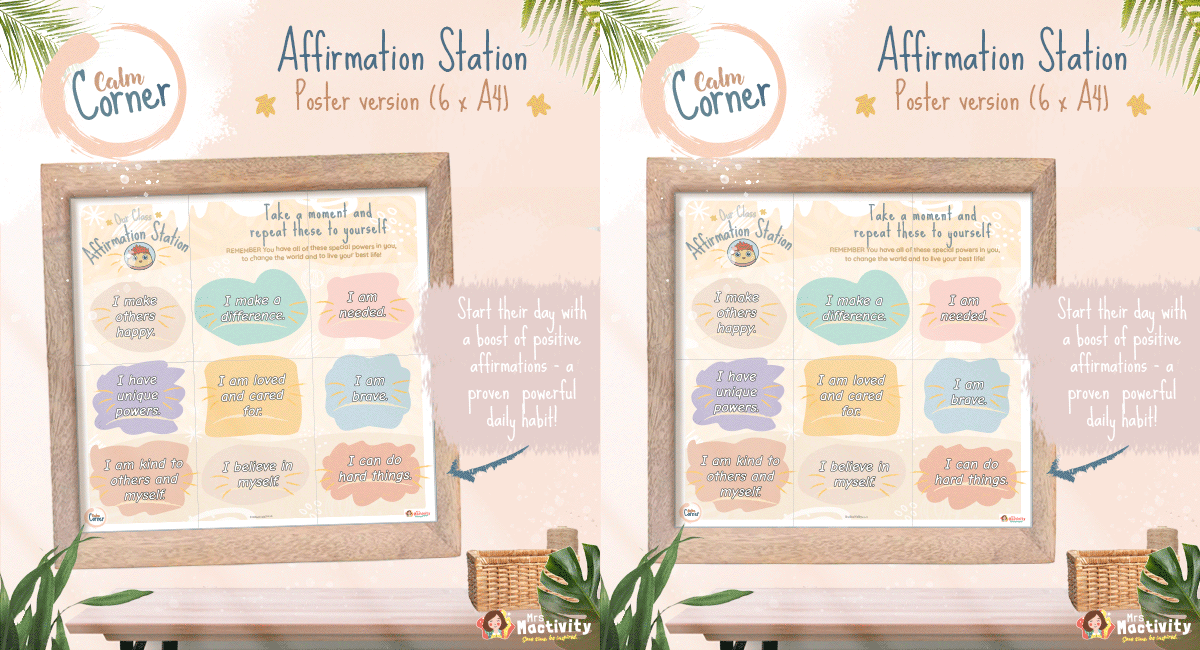
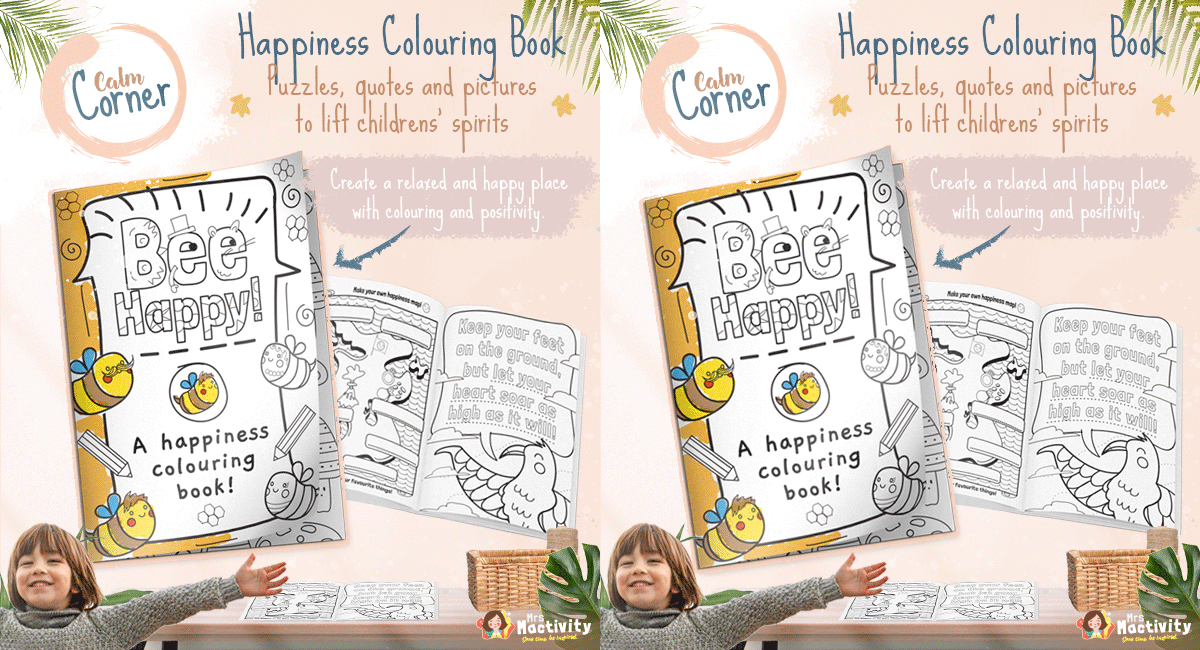
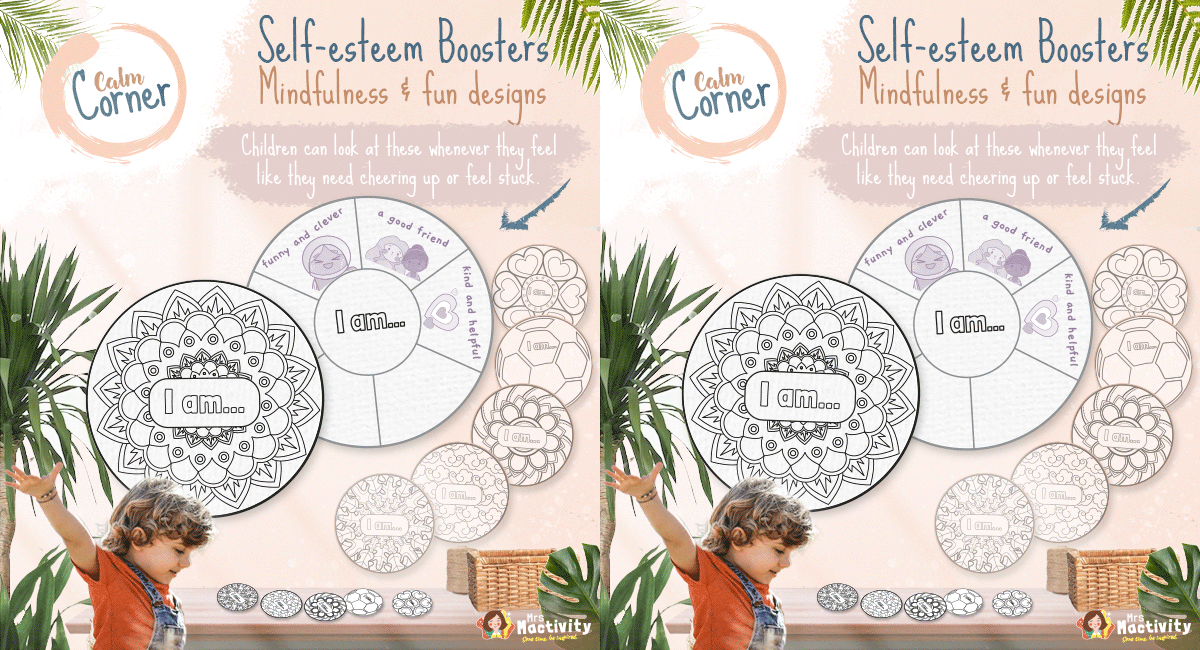
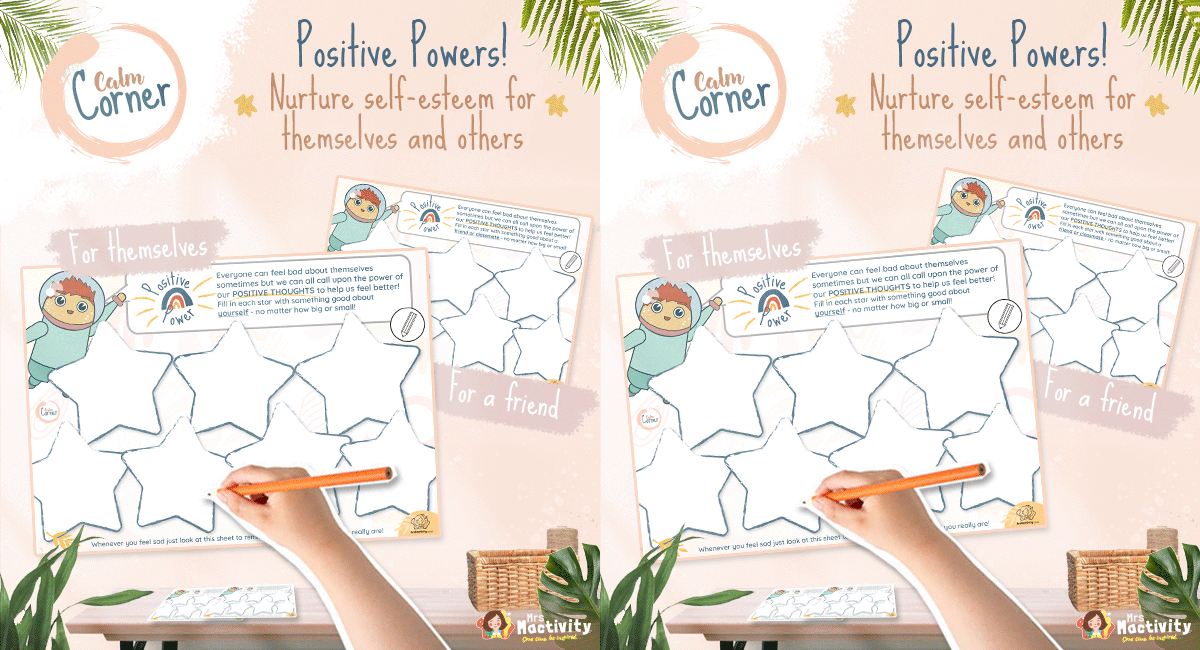
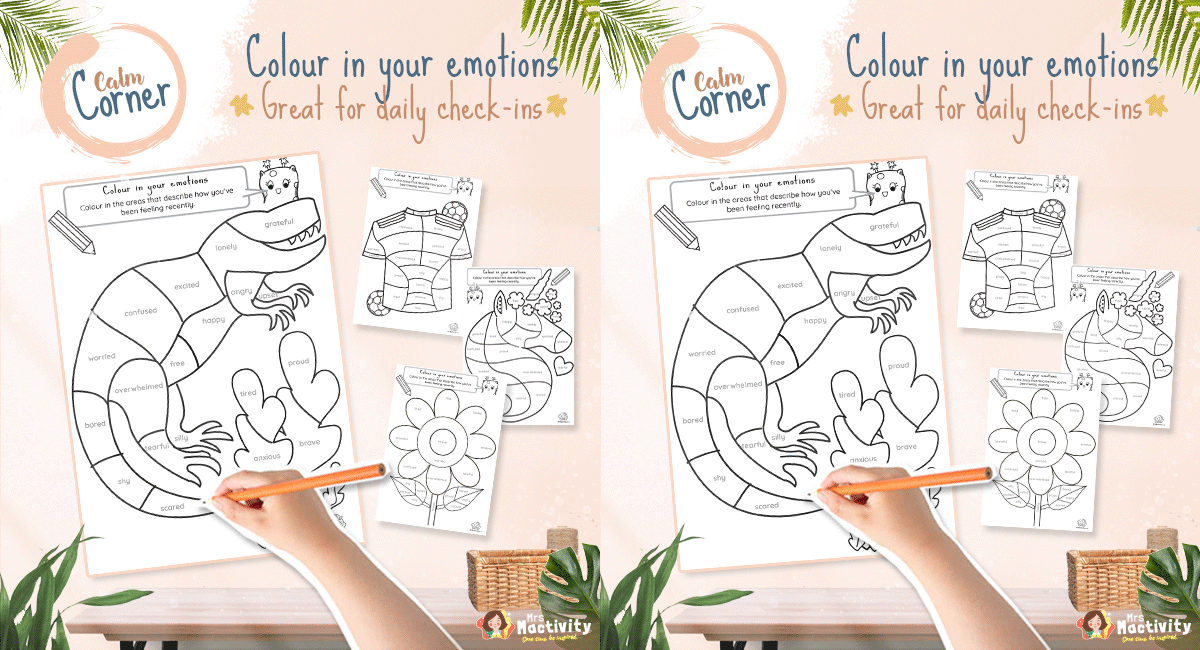
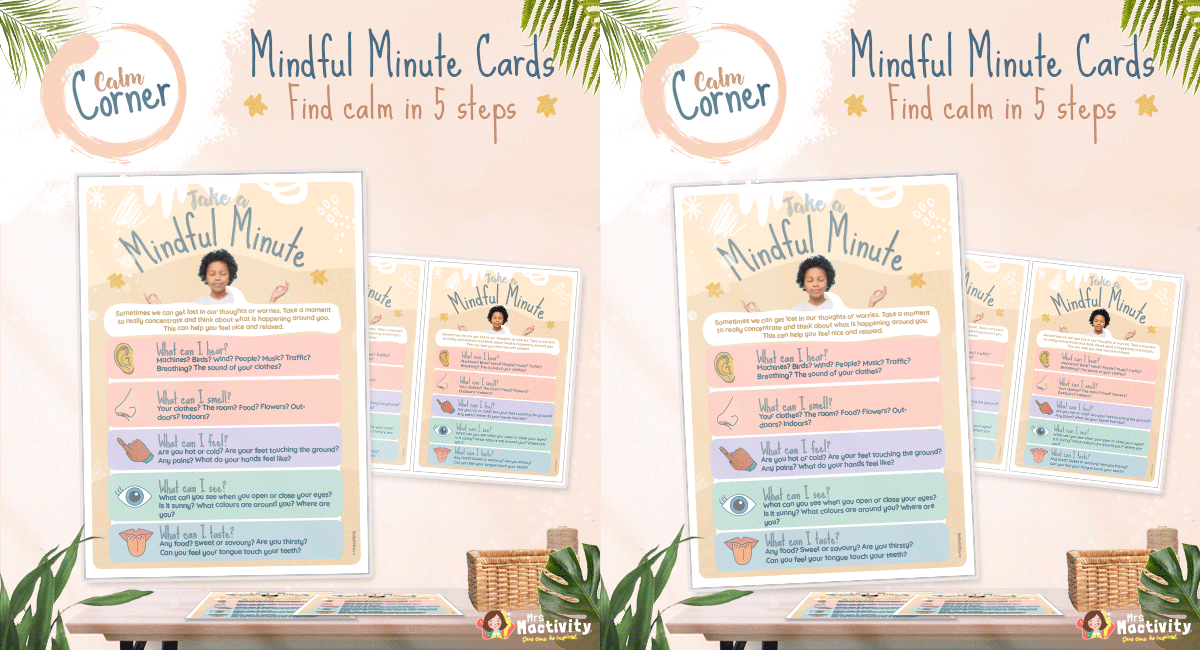
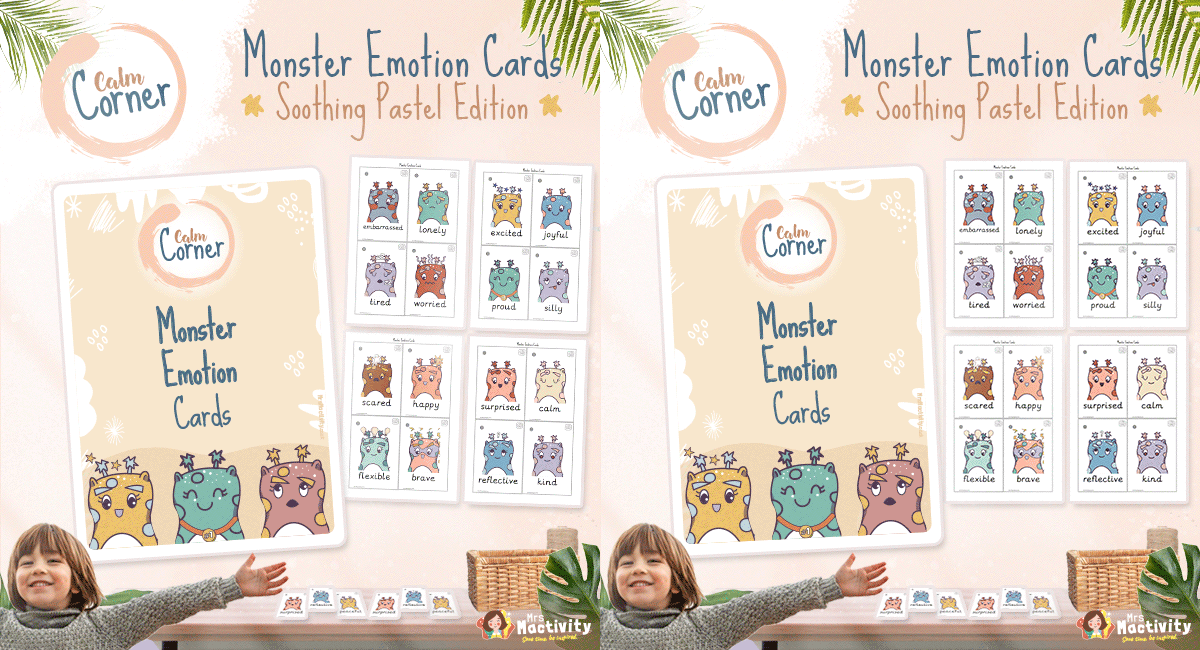
Create a calm corner in your classroom with our unique and bespoke collection of lovingly hand-drawn resources – ideal for areas of your classroom where children go to have a quiet and peaceful time, and chill out and calm down. Our calm corner resources are designed to encourage children to be mindful and to help improve their focus when things get hectic, with a series of resources aimed at helping children express their emotions in a kind and considerate way.
What is a calm corner/cool down corner?
In a classroom, you’ll often find a serene nook – a calm corner, if you will. It’s a designated, tranquil space where pupils can retreat to regulate their emotions, find solace, or simply take a breather when they feel overwhelmed, anxious, or upset. The purpose of this cool down or calm corner is to create a supportive atmosphere that helps pupils to manage their emotions and self-regulate. It also serves as a sanctuary for mindfulness activities and relaxation techniques.
Within a calm corner of the classroom, you’ll often find:
1. Comfortable seating: Soft cushions, bean bags, or plush chairs create an inviting and comfortable seating arrangement.
2. Quiet and low-stimulation: The area is designed to be free from distracting noises and visual clutter, often illuminated by gentle lighting or natural daylight to create a soothing environment.
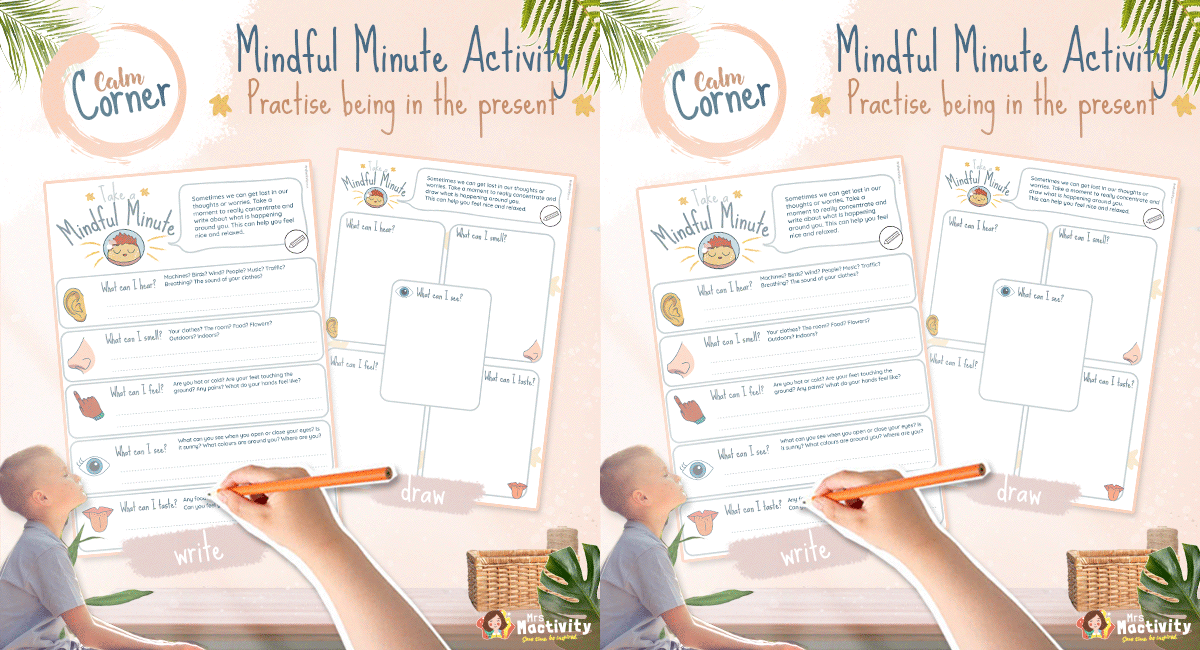
3. Mindfulness resources: Various items like resources, fidget toys, or sensory objects are on hand to help pupils center their attention and calm themselves.
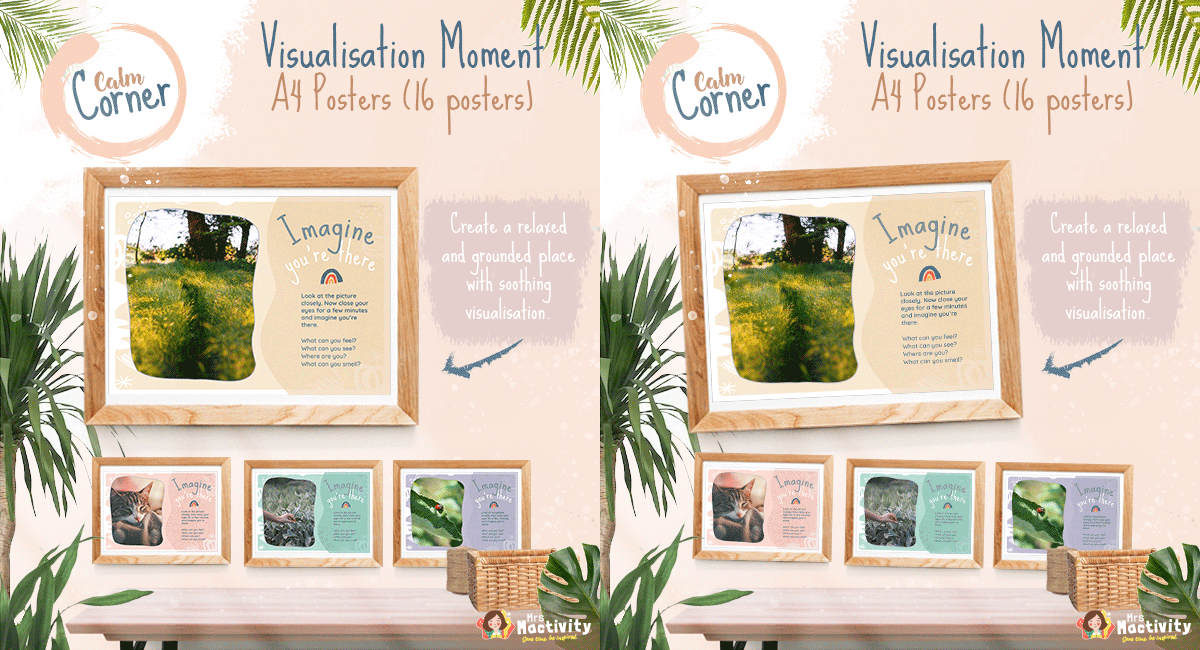
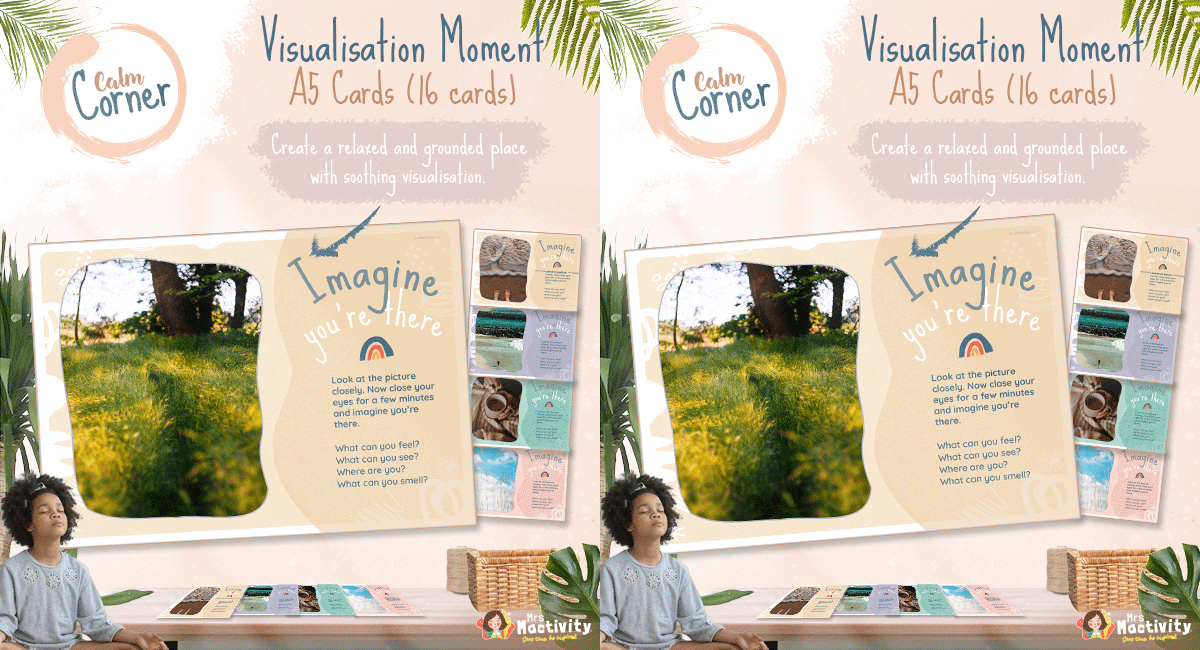
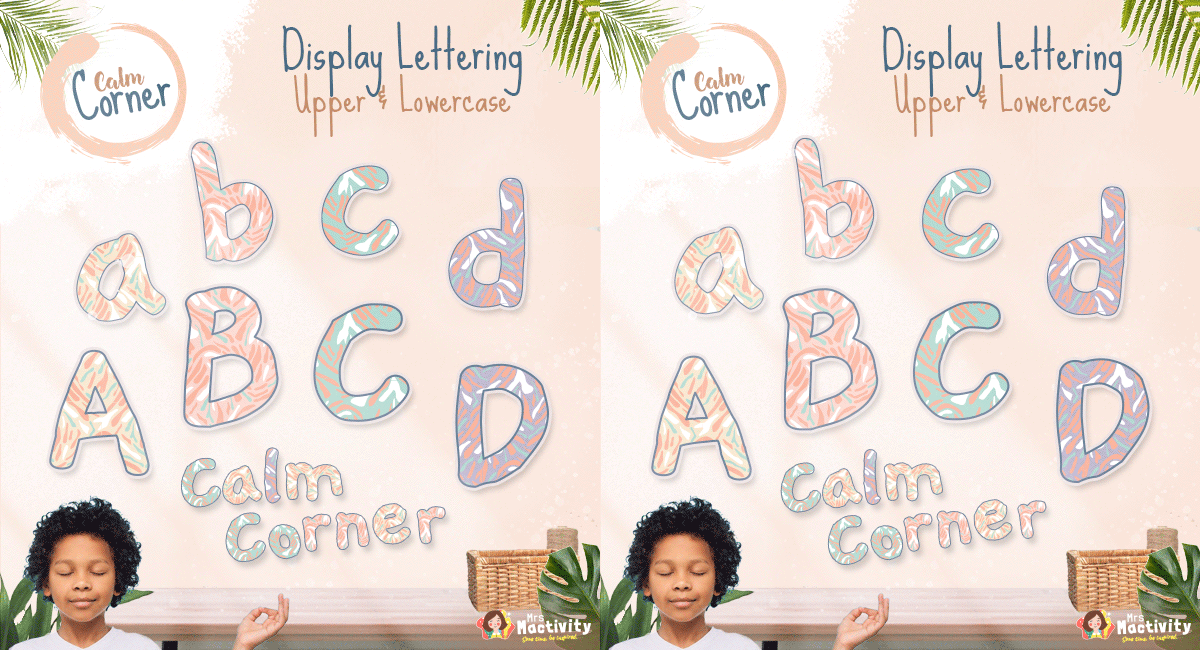
4. Visual aids: The decor typically features calming images, such as nature scenes or peaceful artwork, to encourage relaxation.
5. Breathing exercises: Pupils are taught straightforward breathing techniques that can help them find their inner calm when they visit the serene corner.
6. Timer or clock: A timer or clock is provided to help pupils monitor the time they spend in the calm corner, ensuring they return to their activities when they’re ready.
7. Positive encouragement: The use of this calm corner is encouraged as a self-regulation tool rather than a punitive measure. Praise and positive reinforcement are often offered for effective use.
8. Clear guidelines: Specific rules and expectations are established for when and how pupils can use the calm corner. Pupils are made to understand that it’s a safe and non-judgmental space.
These calm corners are particularly beneficial for pupils who may struggle with emotional regulation, anxiety, sensory sensitivities, or attention difficulties. They embody a proactive approach to addressing emotional needs within the classroom environment, fostering a more positive and inclusive learning experience for all pupils.